
Why Does Wood Develop Mold in High Humidity? Causes and Mold Control Solutions
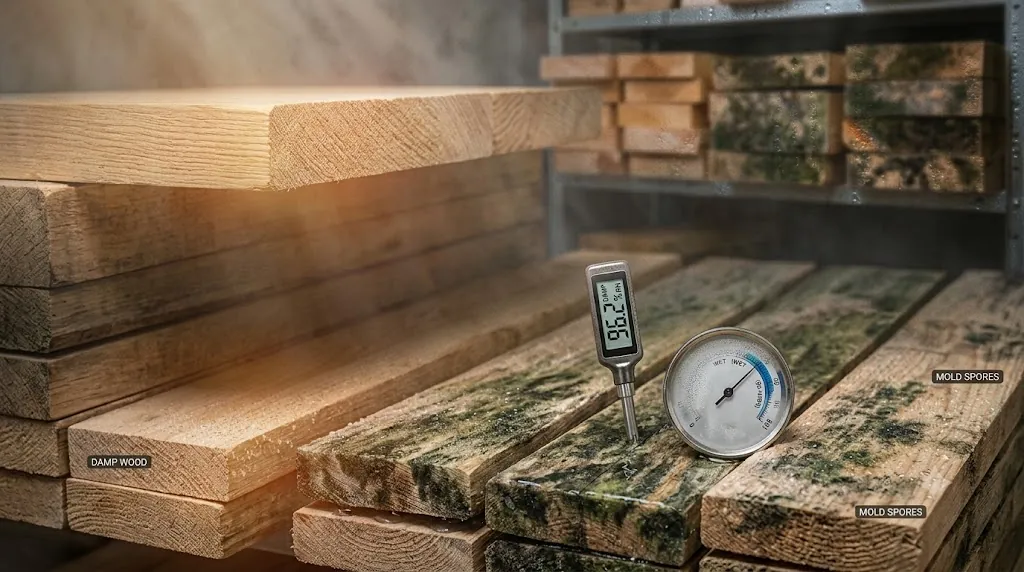
Wood is widely used in furniture manufacturing, household products, construction, and handicrafts. However, in hot and humid climates such as Vietnam, mold growth on wood is a persistent concern for manufacturers and end users. Even wood that has been properly dried, stored in a warehouse, or surface-treated may develop white, green, or black mold spots after a period of time. Beyond affecting appearance, mold can compromise product quality, commercial value, and storage life. So, why does wood develop mold under high-humidity conditions, and what can be done to effectively control mold growth?
1. Properties of Wood and the Risk of Mold Growth
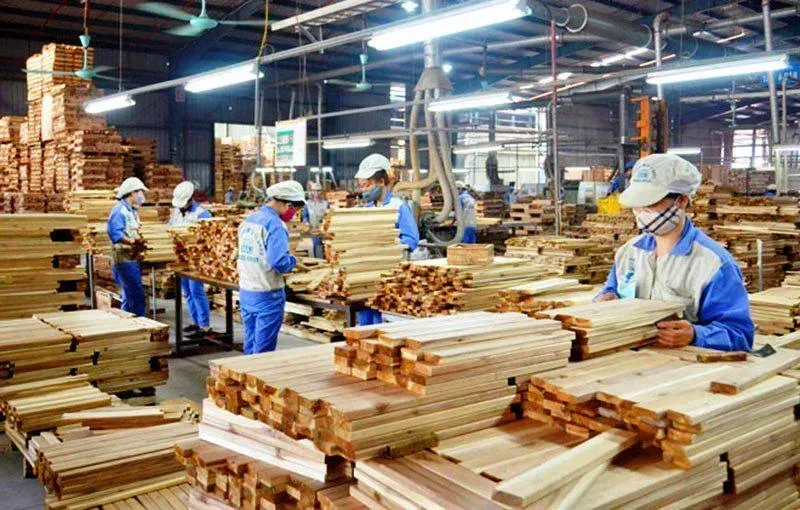
Wood is widely used in furniture, construction, household products, packaging, handicrafts, and many other material-processing industries. Unlike inorganic materials such as metals and glass, and some types of plastics, wood is a biological material containing organic components that can serve as nutrient sources for various microorganisms.
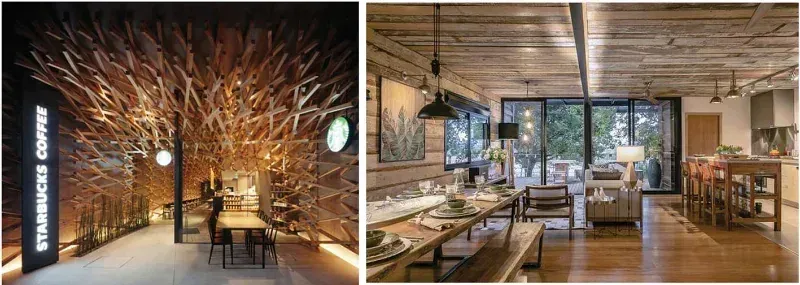
Fig 1. Wood is widely used in everyday life
One of the most common problems encountered during wood processing and storage is mold growth.
The risk is particularly significant in hot and humid environments, where relative humidity is frequently high and temperatures are favorable for biological activity. Wood stored in enclosed warehouses, poorly ventilated areas, or in direct contact with damp floors or walls may develop visible signs of mold rapidly. Improper drying conditions can further increase this risk.
Therefore, effective mold control requires more than simply treating surface contamination. Mold growth is the result of an interaction between material properties, moisture conditions, and the surrounding environment.
2. How Mold Develops and Grows on Wood
Wood is an organic material with a relatively porous structure consisting of pores, capillaries, and voids. This structure allows wood to absorb and release moisture depending on the surrounding environmental conditions.
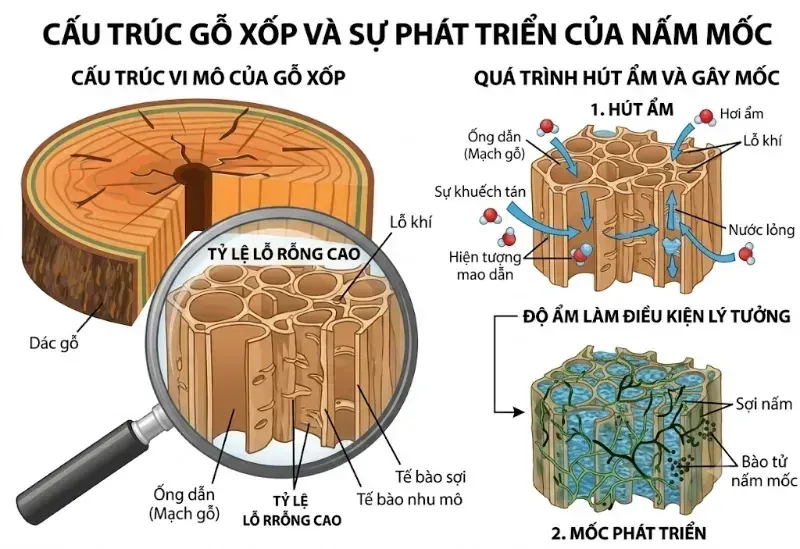
Fig 2. Wood structure and the mechanism of mold growth
Moisture is one of the key factors determining whether mold can develop. Under excessively humid conditions, the surface and internal structure of wood may retain sufficient moisture to create favorable conditions for mold spores to germinate and grow.
Prolonged exposure to moisture is generally more concerning than brief exposure to high humidity. Wood placed directly against walls, stored on floors, stacked too closely together, or kept in poorly ventilated areas may have difficulty releasing moisture, thereby increasing the risk of mold growth.

Fig 3. Mold growth under high humidity and poor ventilation
In addition to moisture, mold growth on wood is influenced by several other factors, including temperature, ventilation, storage duration, surface condition, and warehouse hygiene.
High humidity + suitable temperature + poor ventilation + sufficient exposure time = increased risk of mold growth.
3. How Mold Affects the Quality and Value of Wood Materials
Mold growth on wood is often first identified through changes in surface color and appearance. Mold spots or layers can reduce the uniformity of the material, create abnormal discoloration, and directly affect the visual quality of the finished product.
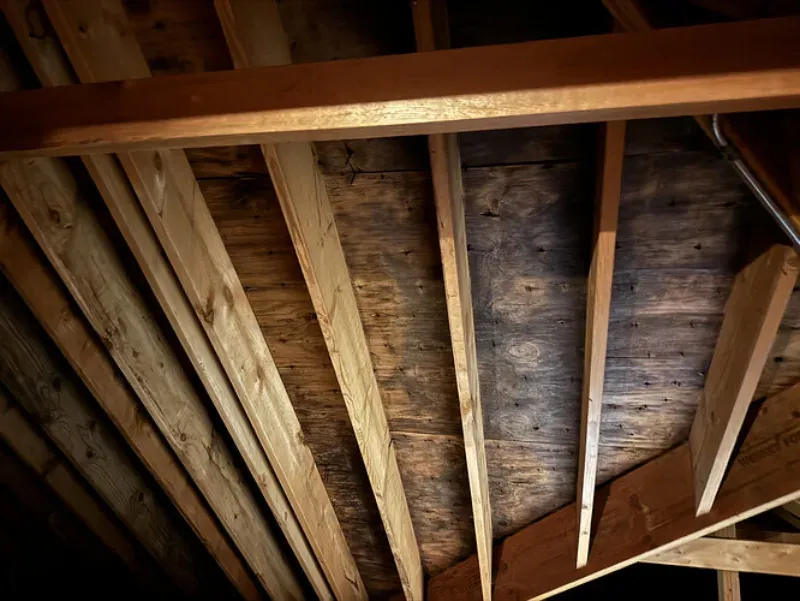
Fig 4. Mold growth affecting the appearance of wooden furniture
For wood products used in furniture, household goods, and handicrafts, appearance can have a significant impact on commercial value. A mold-affected product may still retain its mechanical functionality, but it may no longer meet the required aesthetic and quality standards.
At the manufacturing scale, mold contamination can also lead to:
Increased quantities of products requiring cleaning or re-treatment.
Higher inspection and reprocessing costs.
Longer storage and delivery times.
Reduced quality consistency between production batches.
Lower commercial value of the material.
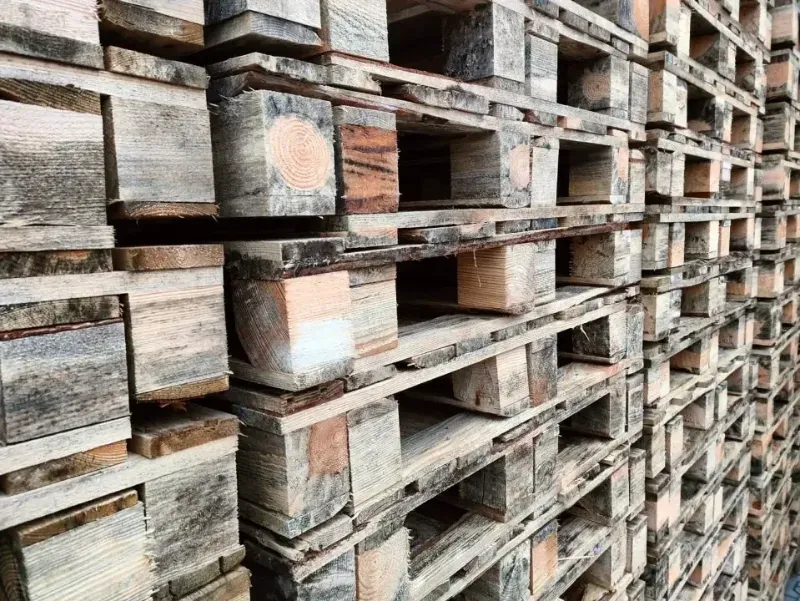
Fig 5. Severely mold-affected wooden pallet with reduced product quality
For industries that use wood as a raw material, mold control is therefore not simply a storage issue. It is directly related to quality management and production efficiency.
4. GTS Mold Control Solutions for Wood and Other Materials
With a focus on advanced material technology, GTS International researches and develops solutions for controlling mold growth across various material types and application conditions.
GTS anti-mold products are designed for materials that are susceptible to mold contamination during manufacturing, storage, and preservation, including wood, rattan, bamboo, leather, and other organic-based materials.
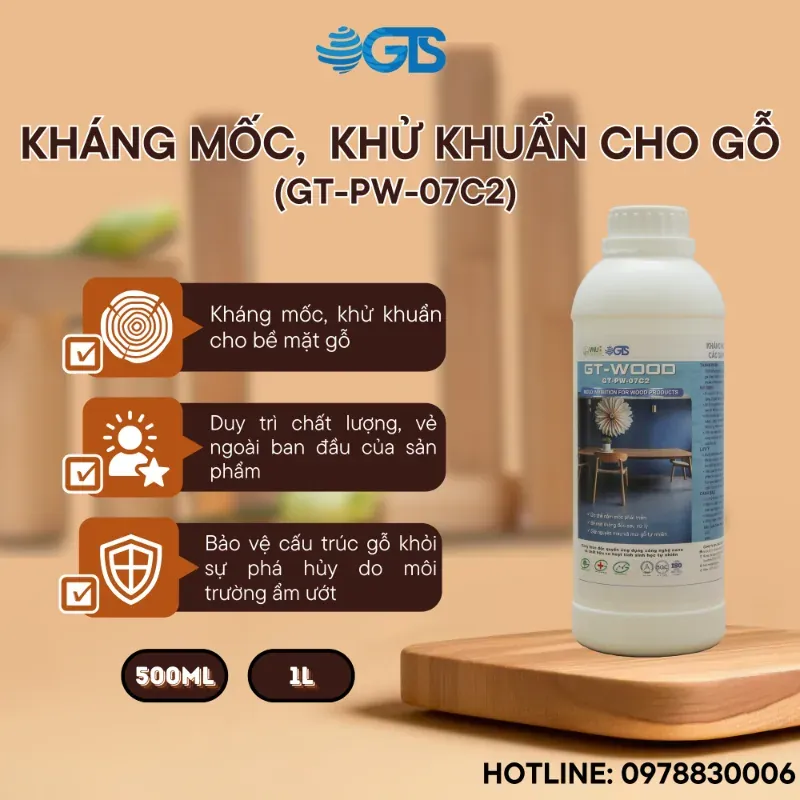
Fig 6. GTS Wood Anti-Mold Product – An effective solution for material protection
Rather than treating mold only after it has already appeared, GTS solutions are developed to help control mold risk throughout the manufacturing, storage, and preservation process.
Depending on the material, surface condition, and intended application, the product can be incorporated into appropriate treatment stages, such as after processing, before packaging, or during storage.
Through this approach, GTS aims to provide mold control solutions that not only help protect the material surface but also contribute to maintaining the quality and commercial value of products throughout the entire process, from manufacturing to storage.
Protect Wood for the Long Term – Start with the Right Mold Control Solution
Looking for an effective mold control solution for wood and other natural materials?
Contact GTS International for product consultation, application guidance, and a customized quotation based on your specific requirements.
Hotline: 0978.830.006 (Ms. Thy Tho)
Email: vnworldgts@gmail.com
GTS International – Your partner in protecting the quality and value of materials.